



Hifz ul Quran is one of the most honoured journeys a Muslim can undertake. In Pakistan, thousands of children and adults begin this path every year, driven by faith, family tradition and a deep love for the words of Allah ﷻ. Yet many families are unsure where to begin, what to expect and how to support a Hafiz through the process.
This guide covers everything you need to know about Quran memorization in Pakistan, from age and method to mindset and long-term revision.
Table of Contents
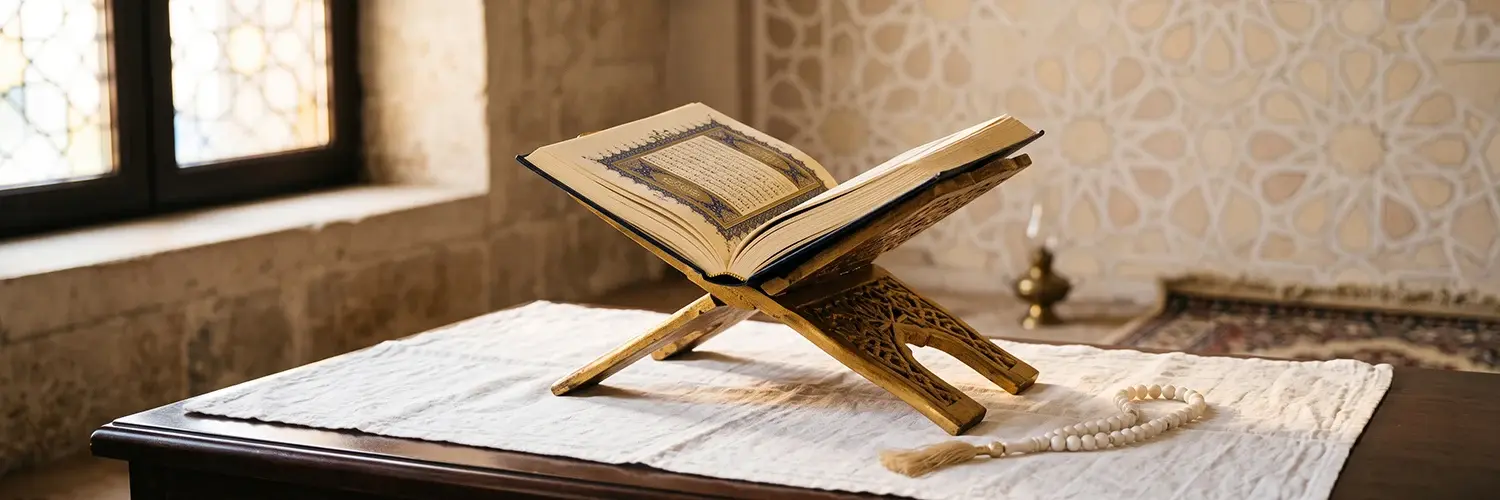
Hifz ul Quran refers to the complete memorization of the Holy Quran, all 30 Paras, 114 Surahs and over 6,000 verses. A person who accomplishes this is called a Hafiz or Hafiz e Quran, a title that carries immense spiritual respect in Islam and Pakistani society.
The Prophet ﷺ said that the one who memorizes the Quran will be raised with the noble and righteous angels on the Day of Judgment. Just as reading Tafseer regularly deepens understanding, Hifz deepens the bond between the believer and the words of Allah ﷻ.
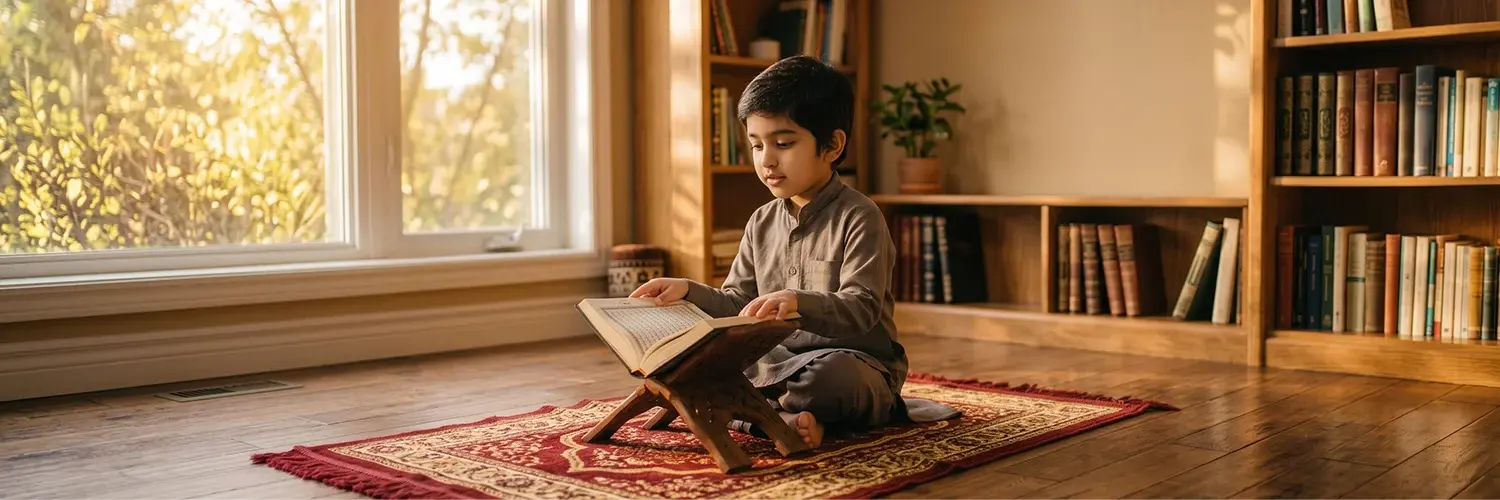
In Pakistan, most children begin Hifz between the ages of 6 and 10. This window is considered ideal because young minds retain information faster and have fewer distractions than adults.
Children in this age group have sharp memories and adapt quickly to repetitive learning. They are also more open to structured routines, which makes consistent revision easier. Most Hifz schools in Pakistan begin enrollment in this range.
Adults can absolutely memorize the Quran. It requires more discipline and a clear plan, but many adults in Pakistan have completed Hifz later in life. The key difference is that adults must work harder on revision while managing daily responsibilities.
Before starting a Quran Hifz course, it is important to assess readiness. A student should be able to:
If needed, students should first strengthen Nazra or Tajweed before beginning full Hifz.
Pakistani Hifz schools follow a structured and time-tested method that has produced millions of Huffaz over generations.
This three-part daily Hifz routine ensures that new memorization does not push out previously learned material. Consistency in all three parts is what separates students who complete Hifz from those who struggle.
Most students begin with the 30th Para, Juz Amma, because its shorter Surahs are easier to memorize and build early confidence. After completing Juz Amma, students typically move to the beginning of the Quran from Surah Al-Baqarah onward.
Useful Quran memorization tips include using the same Mushaf, learning at a fixed time, listening to correct recitation, dividing verses into smaller portions and revising previous lessons before starting a new Sabaq.
Pakistan has one of the highest concentrations of Hifz schools in the world. From dedicated Hifz madrasas to integrated Islamic schools and online programs, families have many options.
Memorizing the Quran without correct pronunciation is a serious concern. Tajweed rules govern how every letter of the Quran must be recited, and mistakes in Hifz can become permanent habits if not corrected early.
Every student should practise Quran recitation with Tajweed before and throughout the memorization process. A teacher who corrects pronunciation daily is essential, not optional.
The home environment plays a major role in the success of Hifz. Parents who actively support their child's journey see significantly better results than those who leave it entirely to the school.
Families who pair home support with structured Quran learning from an early age find that children enter Hifz better prepared and more confident.
The duration of Hifz depends on the student's age, daily lesson size and consistency of revision.
Speed should never be the priority. A Hafiz who memorizes slowly but retains firmly is far ahead of one who rushes and forgets.
Completing Hifz is not the end of the journey. It is the beginning of a lifelong commitment to revision and connection with the Quran.
Many Huffaz in Pakistan struggle with retention after completing Hifz because they reduce revision drastically. Daily Manzil revision must continue for life. Leading Taraweeh prayers during Ramadan is one of the most effective ways to maintain and strengthen Hifz.
Huffaz who go on to study the difference between Quran translation and Tafseer find that their recitation becomes more focused, emotional and meaningful.
Hifz ul Quran is one of the greatest gifts a Muslim can give to themselves or their family. In Pakistan, this tradition is deeply rooted and widely supported, with institutions and teachers dedicated to making this journey possible for every willing student.
At Noor ul Burhan, we believe that memorization and understanding go hand in hand. Our Para-wise Tafseer books in simple Urdu help Huffaz and their families connect with the meaning behind every verse.
Frequently Asked Questions
1. What is the best age to start Hifz ul Quran in Pakistan?
Between 6 and 10 years is considered ideal, though adults can also complete Hifz with proper planning and commitment.
2. How long does it take to complete Hifz in Pakistan?
Full-time students typically complete Hifz in 2 to 3 years. Part-time students may take 4 to 6 years.
3. Can adults memorize the Quran in Pakistan?
Yes. Many adults complete Hifz with a structured plan, a qualified teacher and consistent daily revision.
4. Is Tajweed necessary for Hifz?
Yes. Correct pronunciation through Tajweed is essential. Mistakes memorized early become difficult to correct later.
5. How can parents support their child during Hifz?
By listening to daily revision, maintaining a calm home environment, limiting distractions and making dua consistently.